The Psychology of Office Layouts: How Strategic Furniture Arrangements Enhance Team Dynamics
The design of an office impacts far more than just its aesthetic appeal—it plays a crucial role in shaping team interactions, individual focus, productivity, and overall employee well-being. By carefully planning office layouts and furniture arrangements, businesses can foster collaboration, support concentration, and accommodate a variety of working styles. A deeper understanding of office layout psychology allows companies to create spaces that encourage connection and elevate morale, leading to measurable improvements in productivity and engagement. Below, we explore key principles and research-backed insights into how intentional office design can drive success.
The Influence of Office Layouts on Collaboration and Focus
Modern office design trends often lean towards open-plan layouts aimed at encouraging teamwork and spontaneous interactions. Open spaces are especially beneficial for roles that require frequent communication, such as in creative industries where brainstorming and collaborative discussions are integral. However, the open-plan model comes with challenges, notably increased distractions, which can hinder deep, focused work.
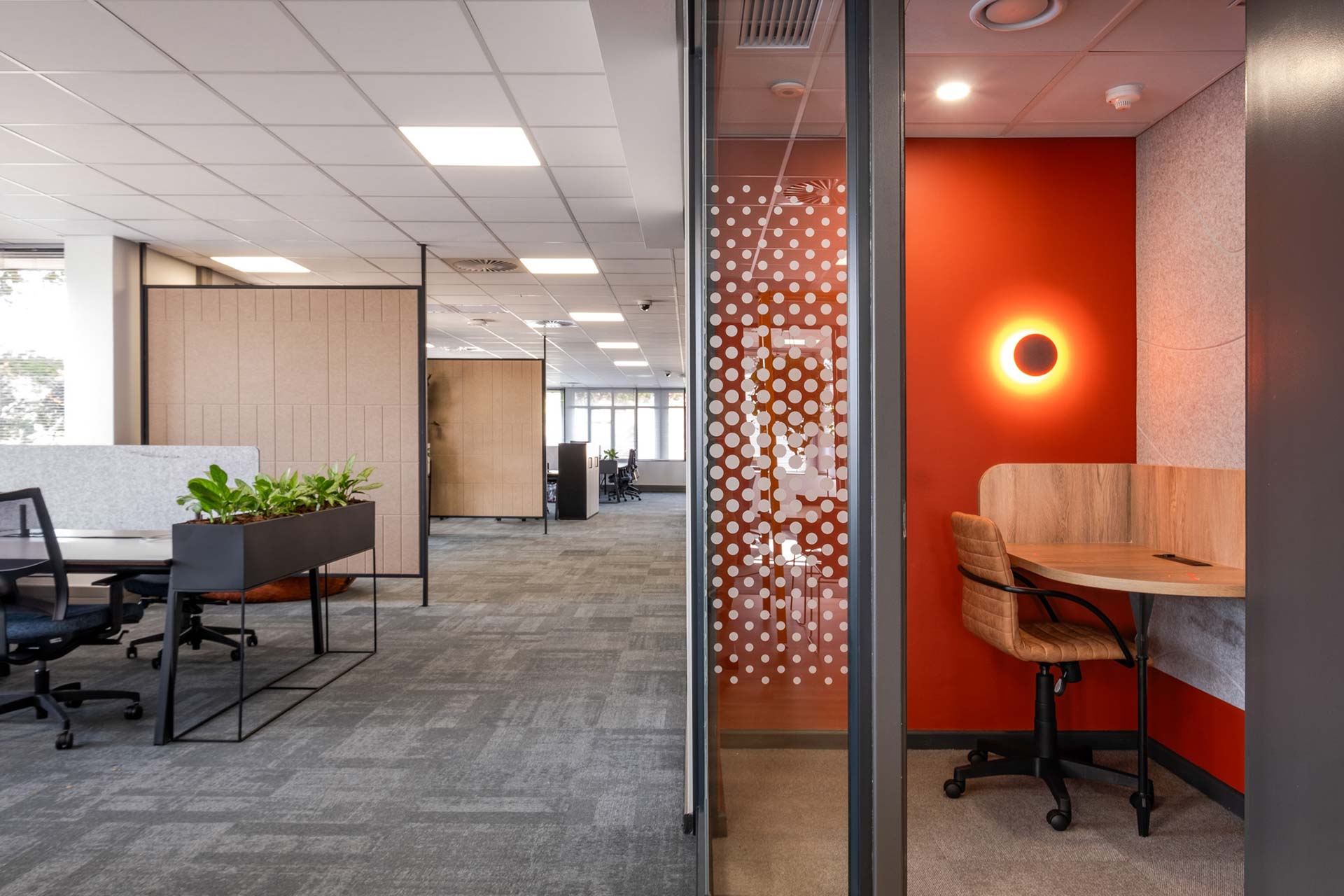
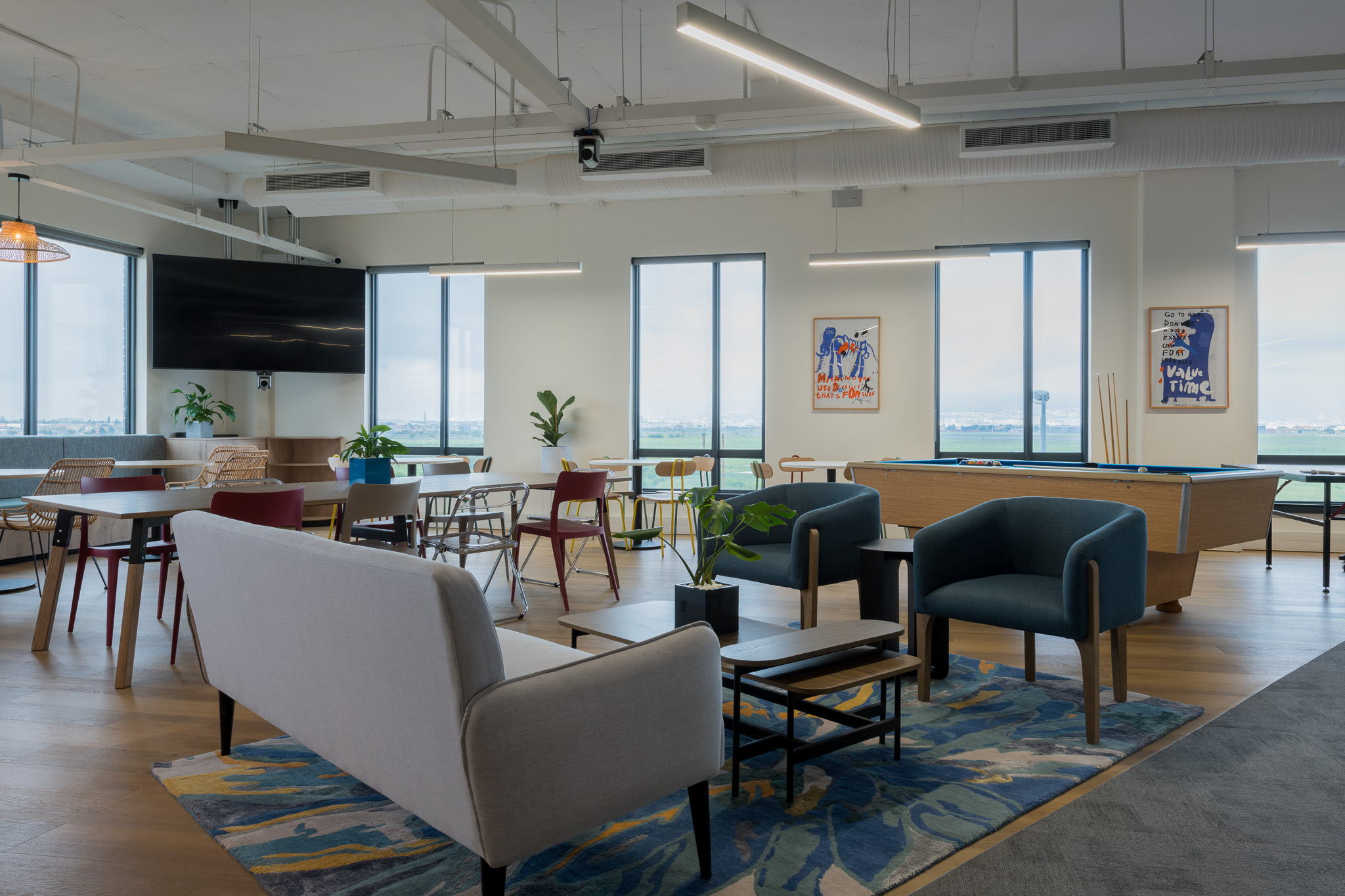
To address this, design firms like Haiken recommend a balanced approach that includes both open areas and designated quiet zones. By incorporating partitions or creating secluded areas, employees have the flexibility to choose between spaces for collaboration or focus, depending on their needs. Studies by industry leaders like WorkDesign and Gensler indicate that this adaptability supports various tasks and team dynamics, ultimately boosting productivity and job satisfaction.
Balancing Private and Open Spaces for Enhanced Well-Being and Focus
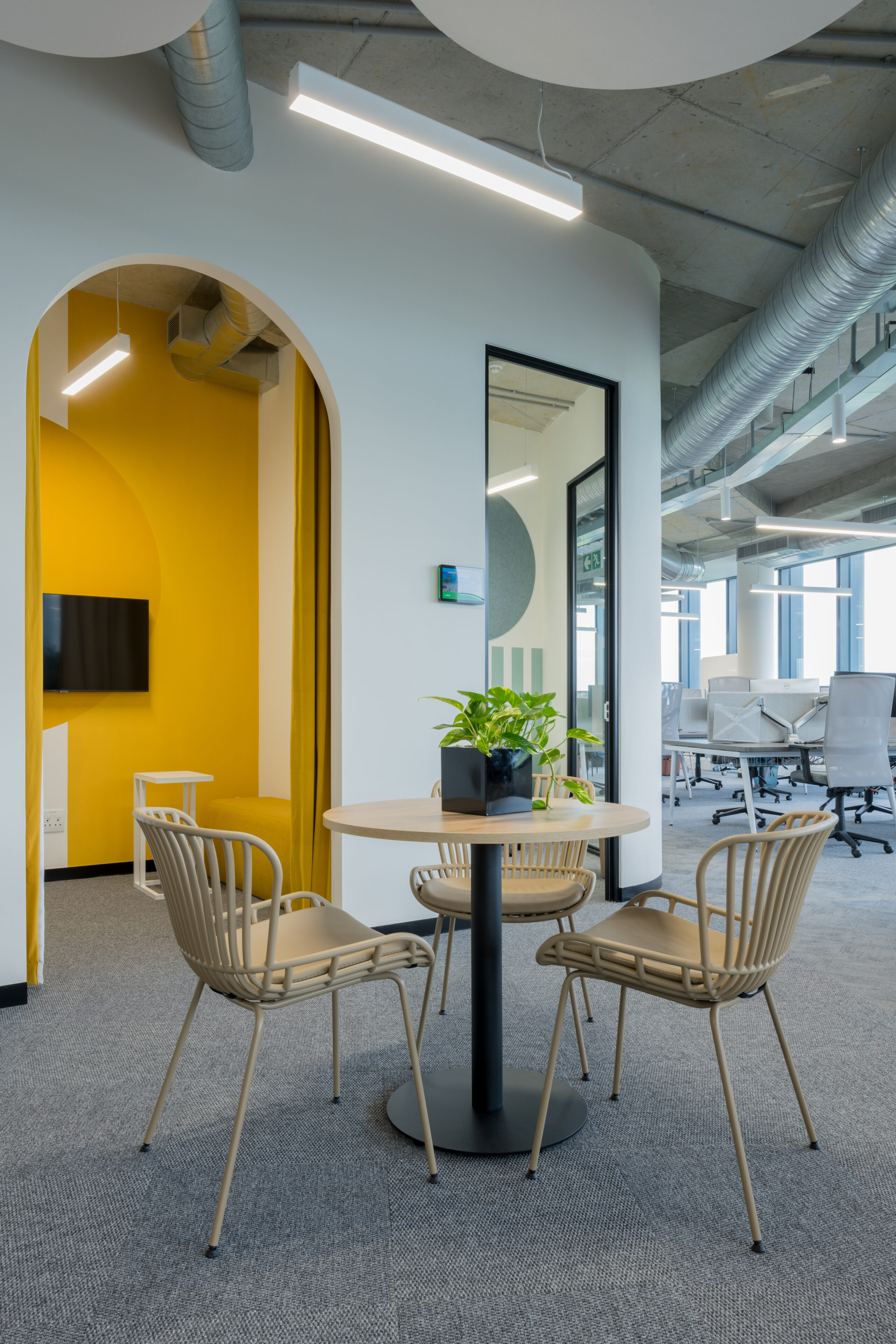
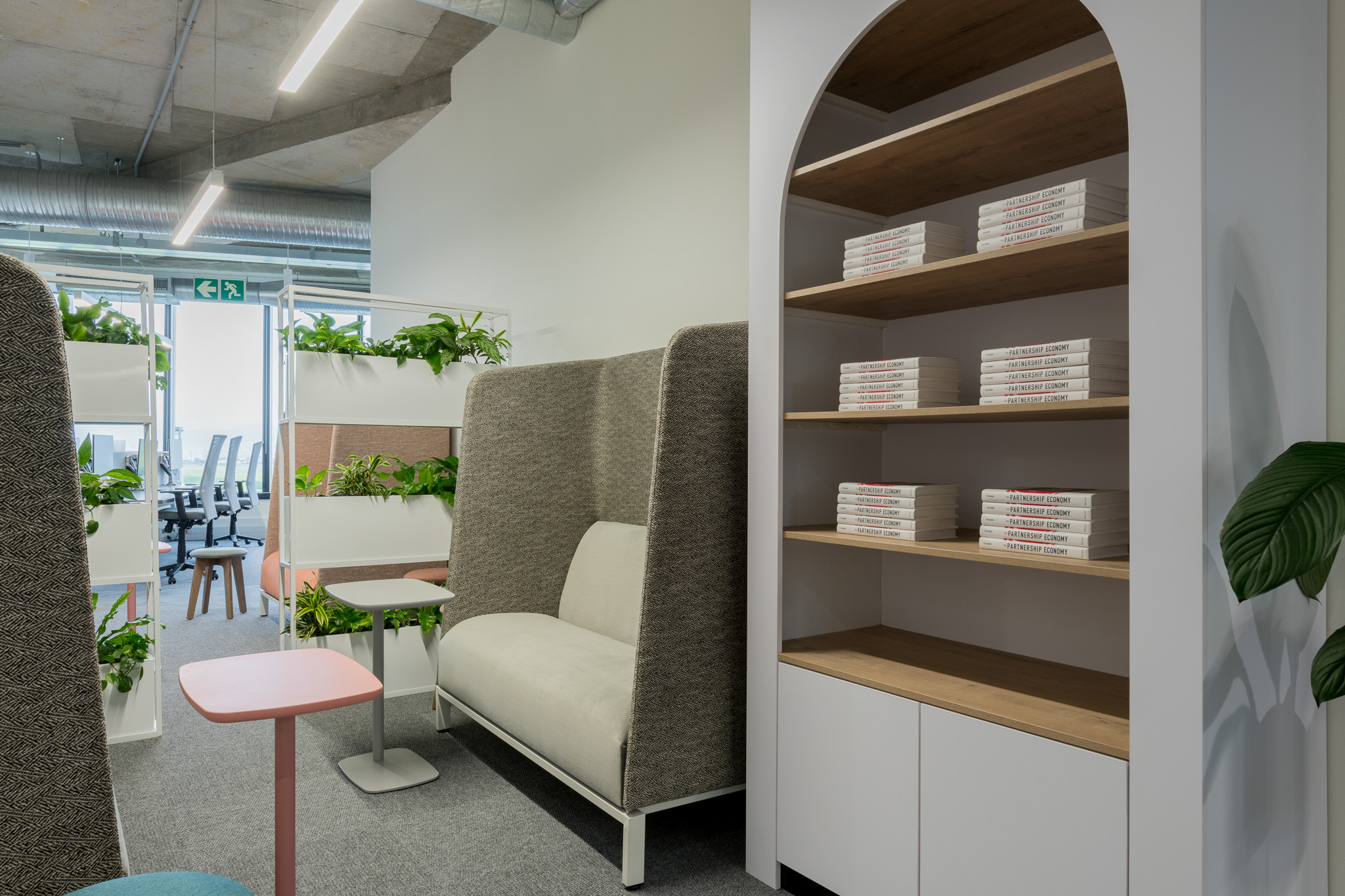
Effective office layouts often blend open areas with private spaces. Enclosed booths or quiet nooks are essential for tasks requiring concentration or confidentiality, while open spaces promote community and idea sharing. This balance is also beneficial for mental health, giving employees the freedom to select environments that best suit their immediate work needs.
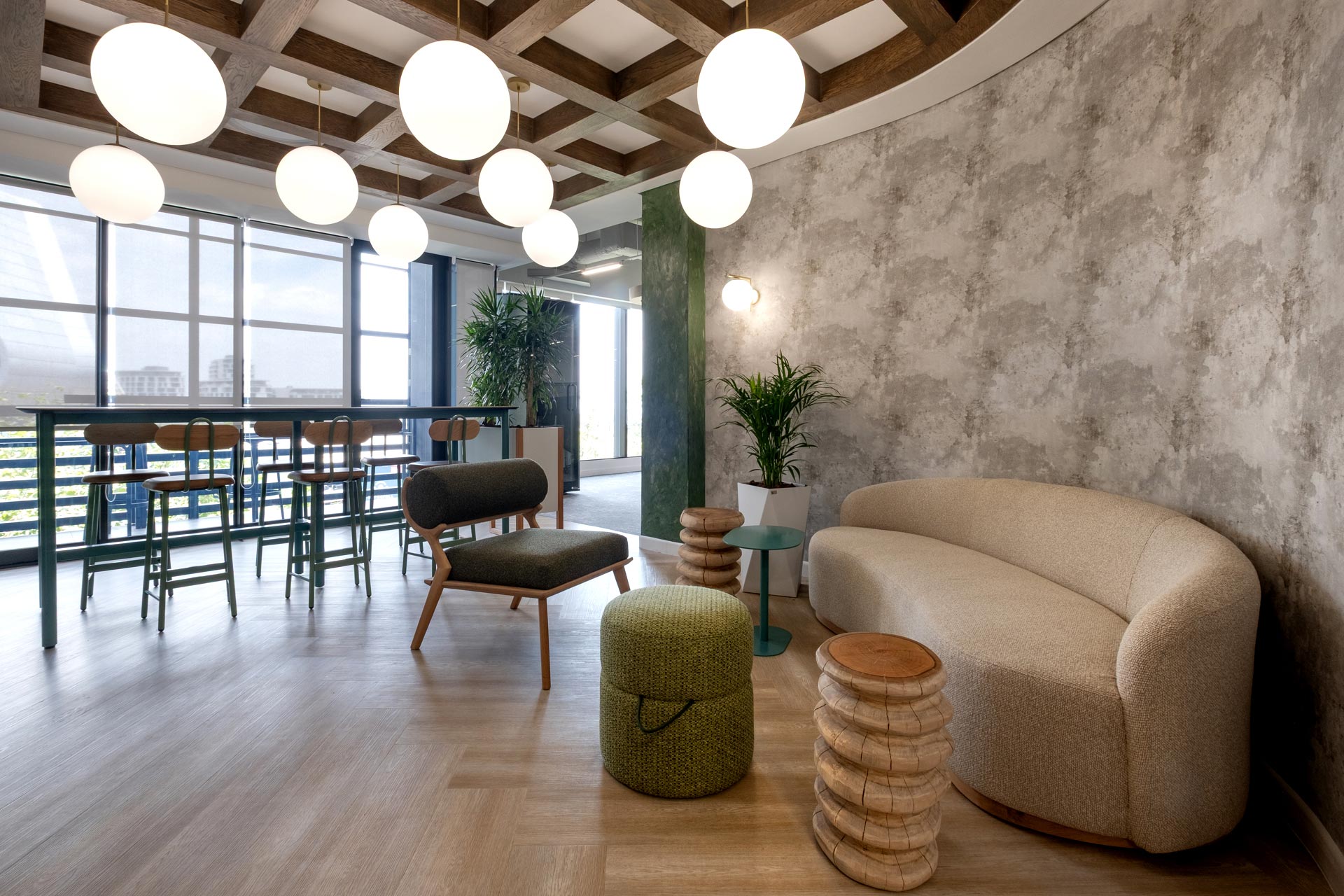
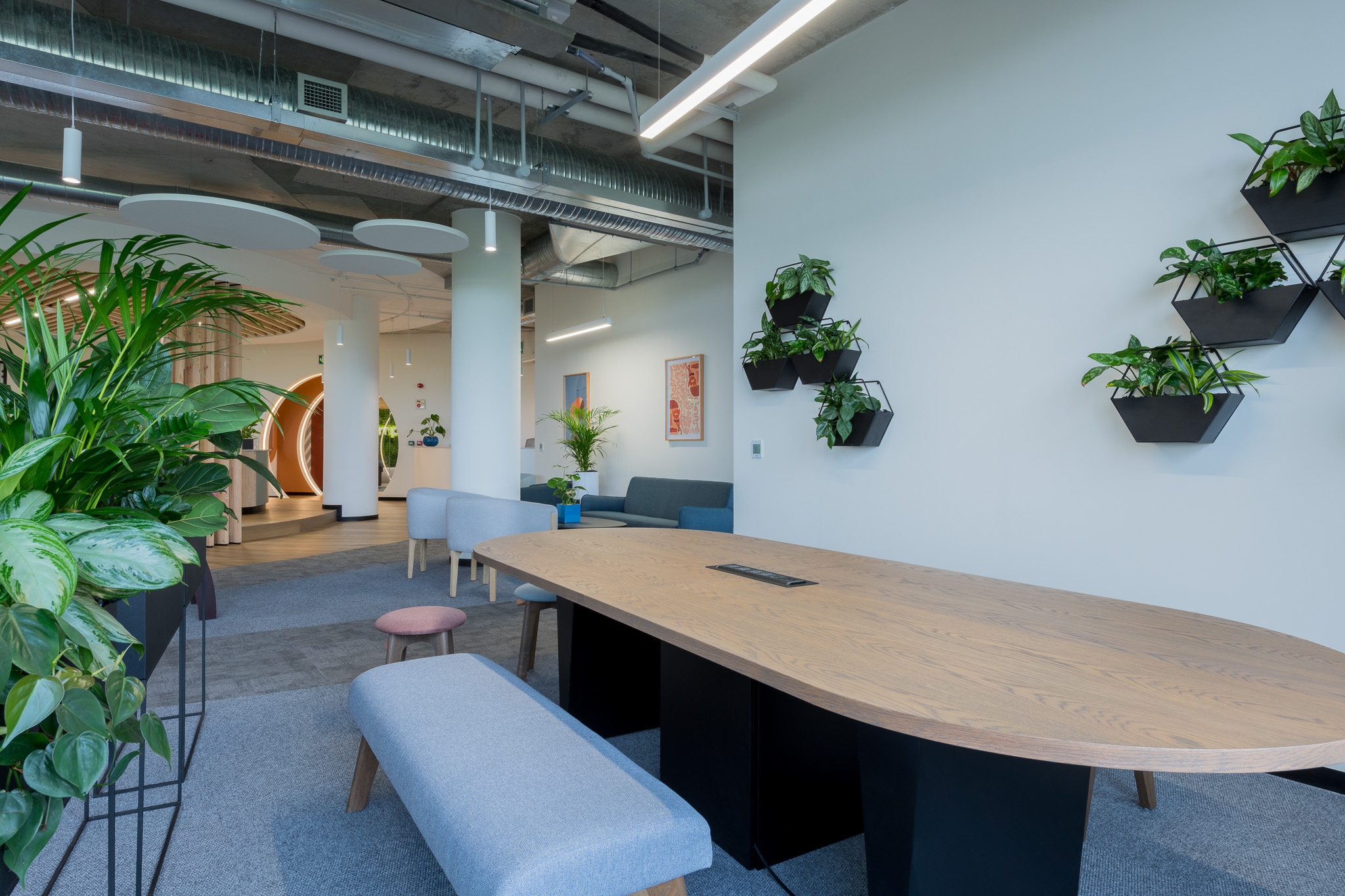
Integrating biophilic elements, like plants and natural light, into both private and open areas positively impacts mood and reduces stress. Access to natural elements fosters a sense of calm and connection to one’s surroundings, contributing to morale and focus. By designing with well-being in mind, companies create healthier and more productive environments for all team members.
Accommodating Different Working Styles Through Diverse Spaces
Workplaces that reflect diverse working styles acknowledge the varied needs of their employees. For instance, introverted employees may prefer quieter, enclosed spaces, while extroverted team members thrive in collaborative settings. By catering to these differences, companies can support individual productivity and allow employees to work in environments where they feel most comfortable.
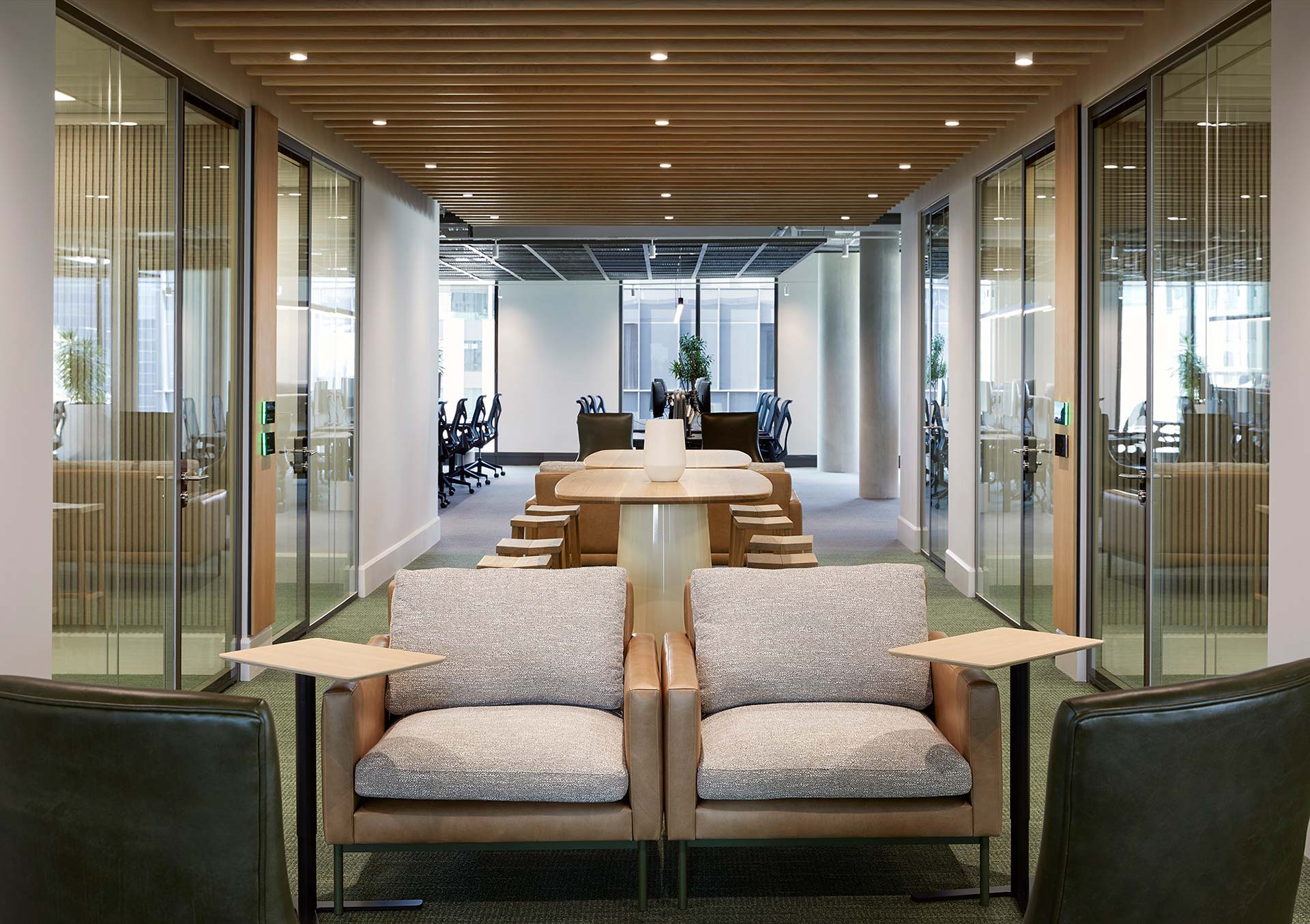
Insights from Gensler emphasise the value of flexible furniture and layouts to meet these varied preferences. Movable desks, adaptable seating, and modular furniture give teams the autonomy to adjust their spaces as needed, benefiting both fast-paced projects and individual work. Such flexibility fosters a workplace where collaboration and independent focus coexist harmoniously.
Enhancing Communication Flow Through Flexible Design
A key component of effective office design is ensuring a seamless flow of communication. Flexible furniture, such as modular seating and mobile whiteboards, allows employees to quickly adapt spaces for impromptu meetings or collaborative sessions. This adaptability is particularly valuable in dynamic environments where project requirements may shift frequently.
Case studies from Greenstreet highlight that flexible, reconfigurable spaces enhance engagement and focus, allowing employees to transition smoothly between collaborative and individual tasks. Leaders in the design industry, including HOK and Perkins & Will, frequently showcase the positive impact of intentional layout adjustments on productivity and employee satisfaction, underscoring the importance of flexibility and well-being in modern office design.
Practical Insights: Impact Case Study
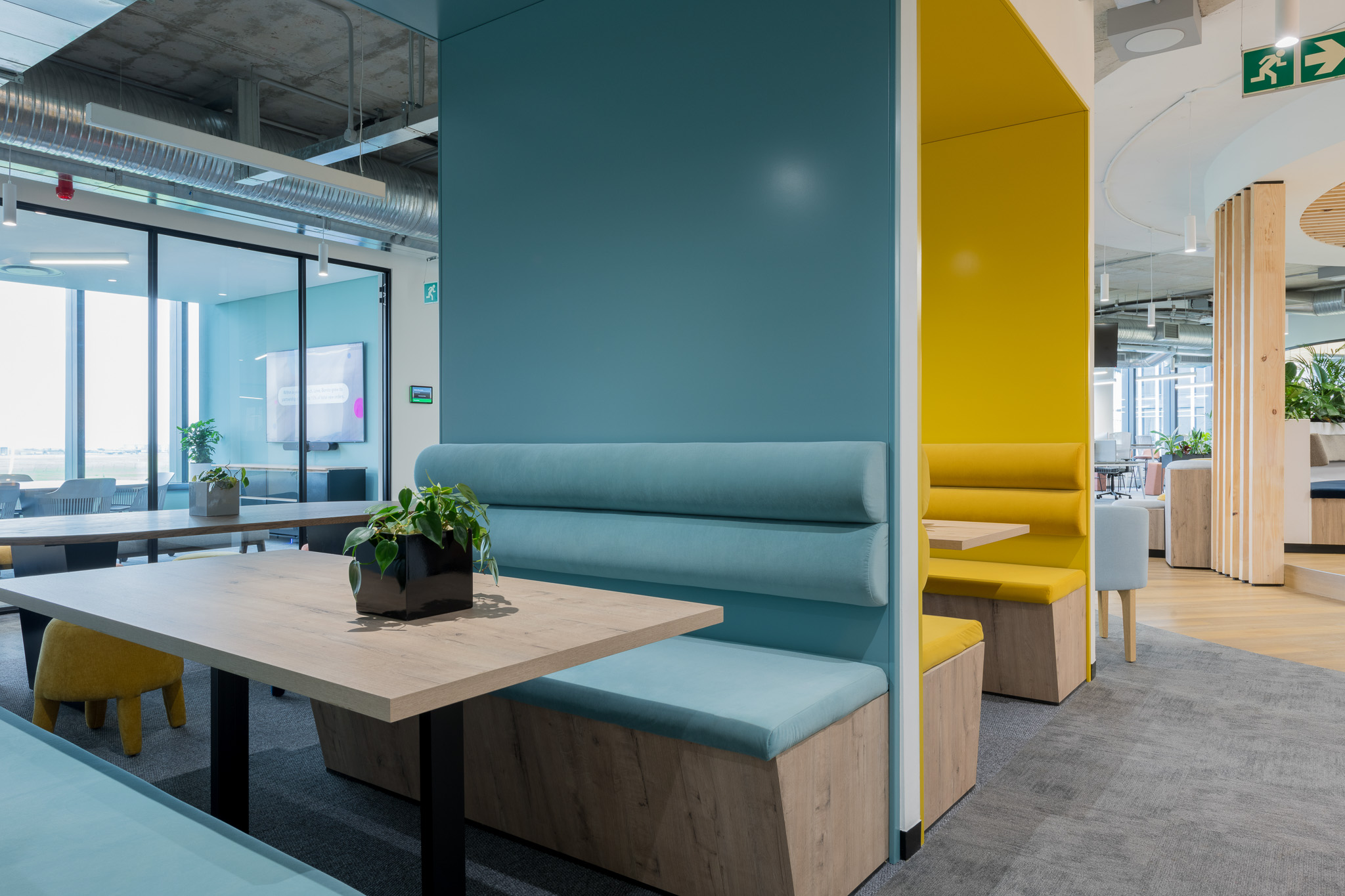
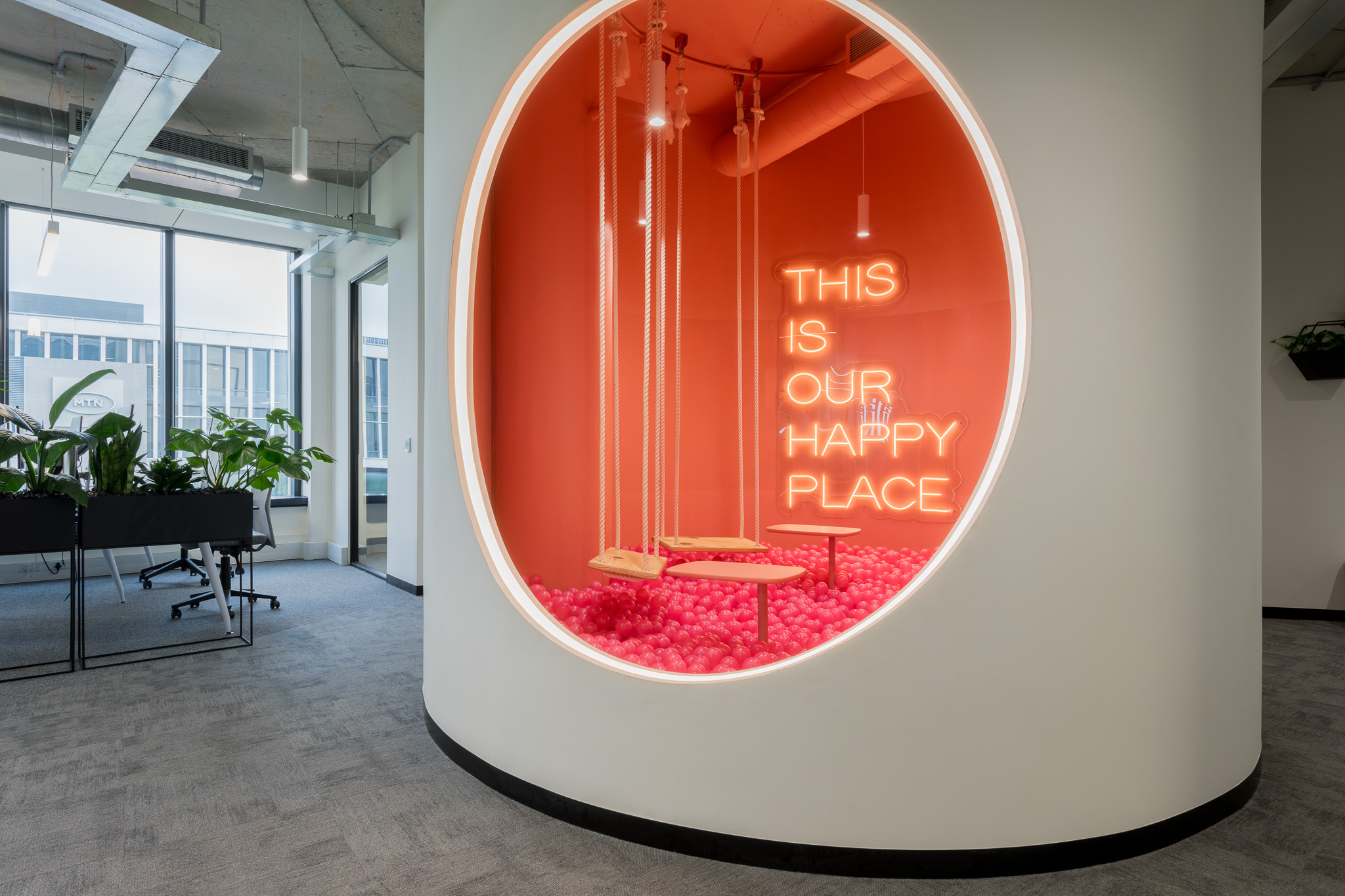
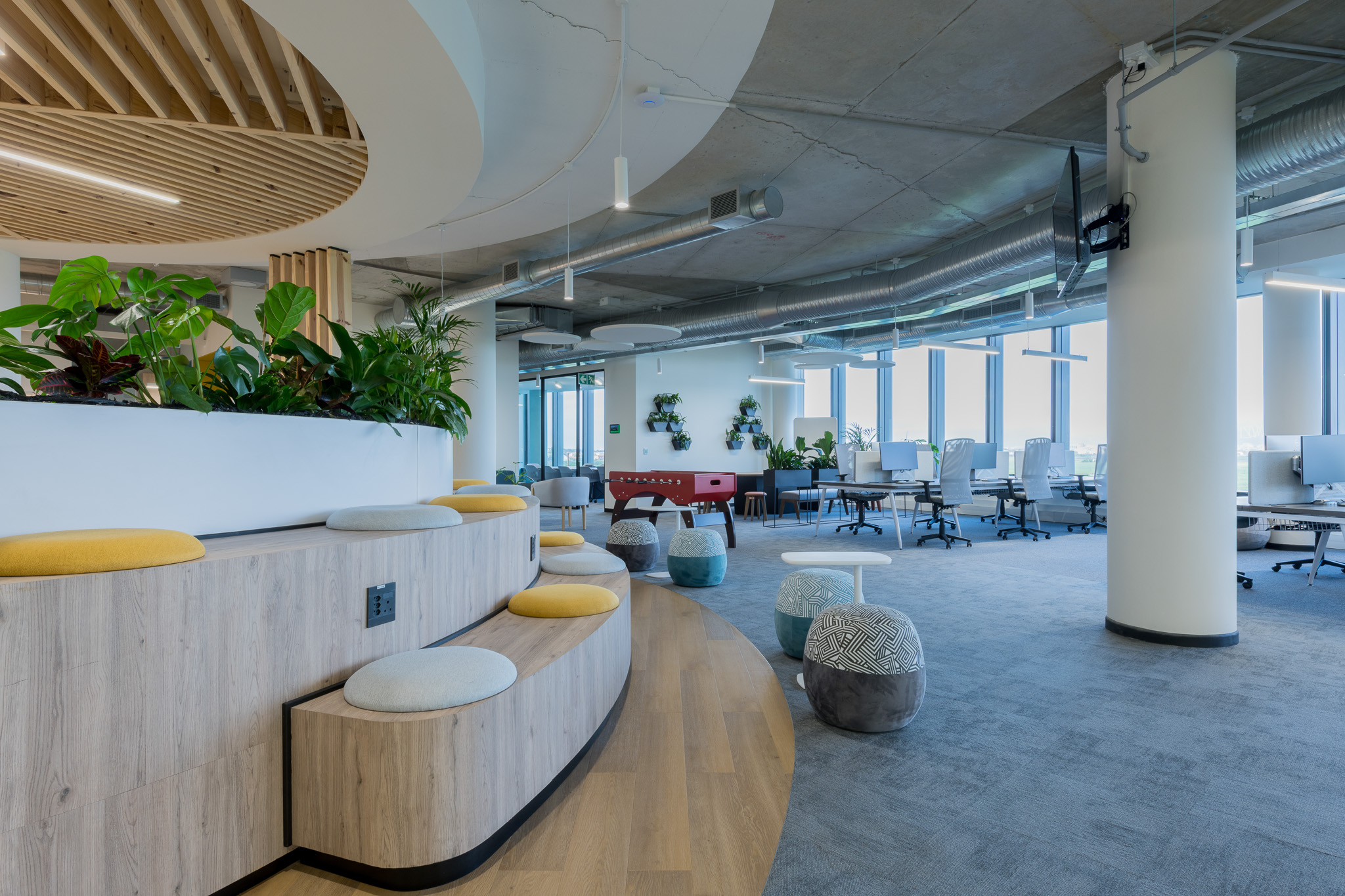
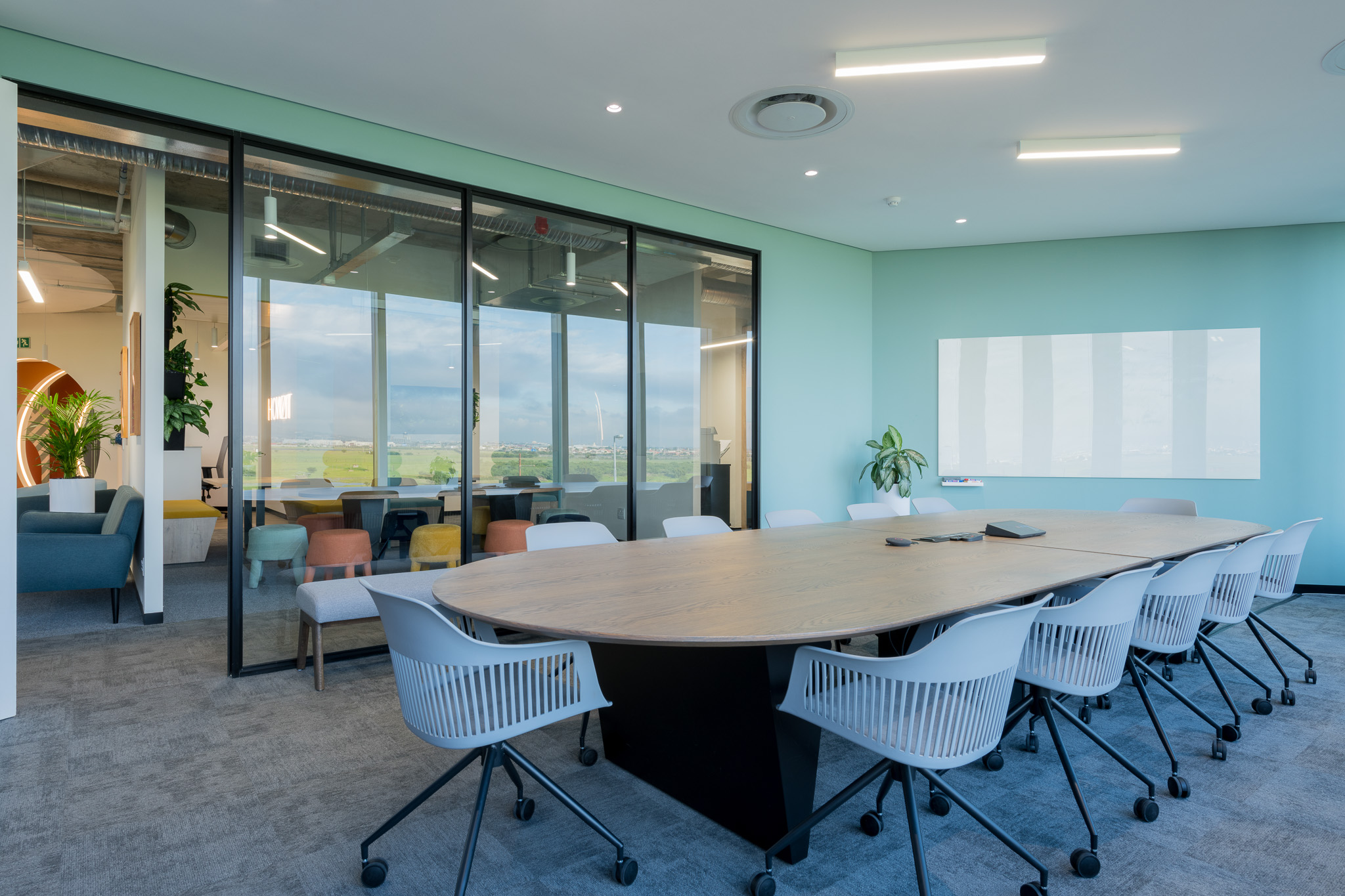
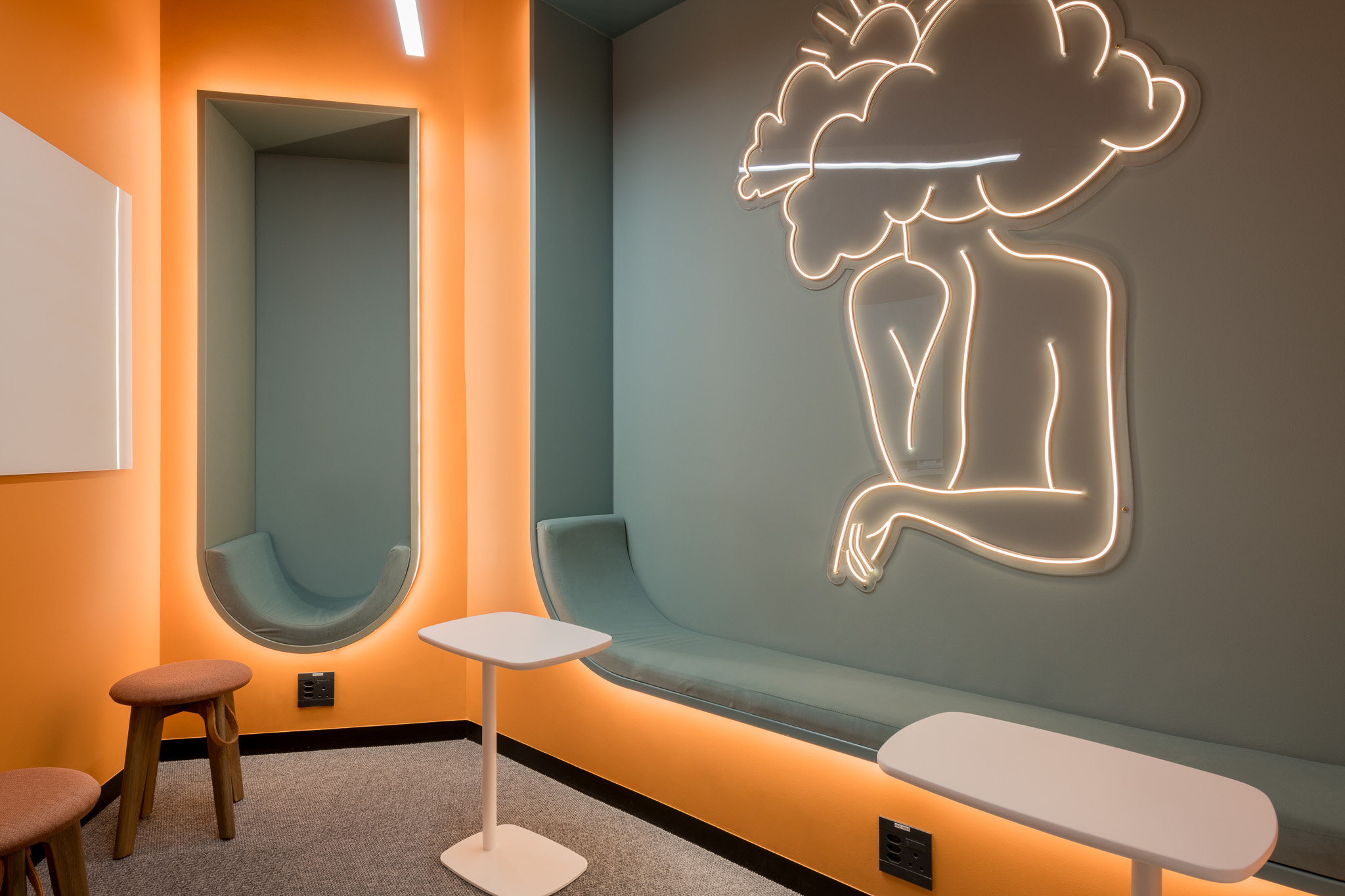
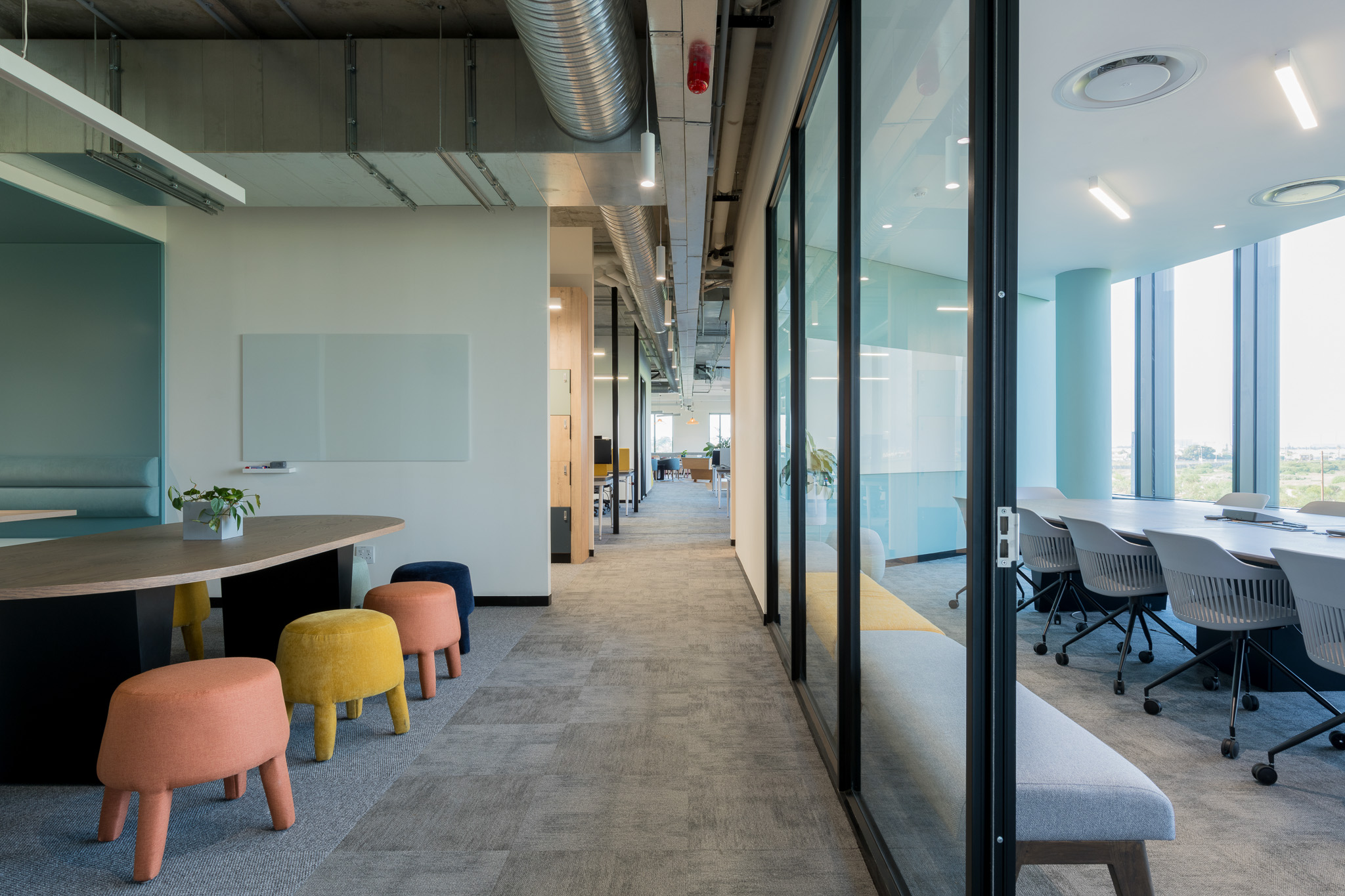
Impact’s office in Cape Town, designed by Trend and Design Colab, is a prime example of purposeful design aligned with organisational values. Reflecting the company’s mission of social change, the office features vibrant colours and bold elements that inspire innovation. Adaptable workspaces allow employees to move seamlessly between collaborative areas and focused work zones, promoting both creativity and concentration.
With sustainability and community central to its design, Impact’s office uses locally sourced materials and eco-friendly practices, supporting a culture of social responsibility. Playful elements like a ball pit and swings contribute to a sense of joy, while natural light and greenery provide a calming backdrop. This thoughtful combination of energy and serenity fosters a workspace that keeps employees motivated and comfortable.
Prioritising Wellness Through Ergonomic and Biophilic Design
Designing For The Future Of Work
Why Choose Design Colab?
With flexible furniture enabling easy reconfigurations and wellness-centred features enhancing comfort, the impact of thoughtful office design is evident in both daily operations and long-term success. As businesses increasingly focus on mental health, wellness, and adaptability, investing in the psychology of office layouts becomes an essential strategy for building a dynamic, motivated, and high-performing team.
Whether redesigning an existing office or planning a new one, Design Colab can help your expertly elevate your space.
If you’re ready to transform your workspace, contact us today. Explore our portfolio to see more examples of our innovative designs and successful projects.